
Small Dumpster Rental
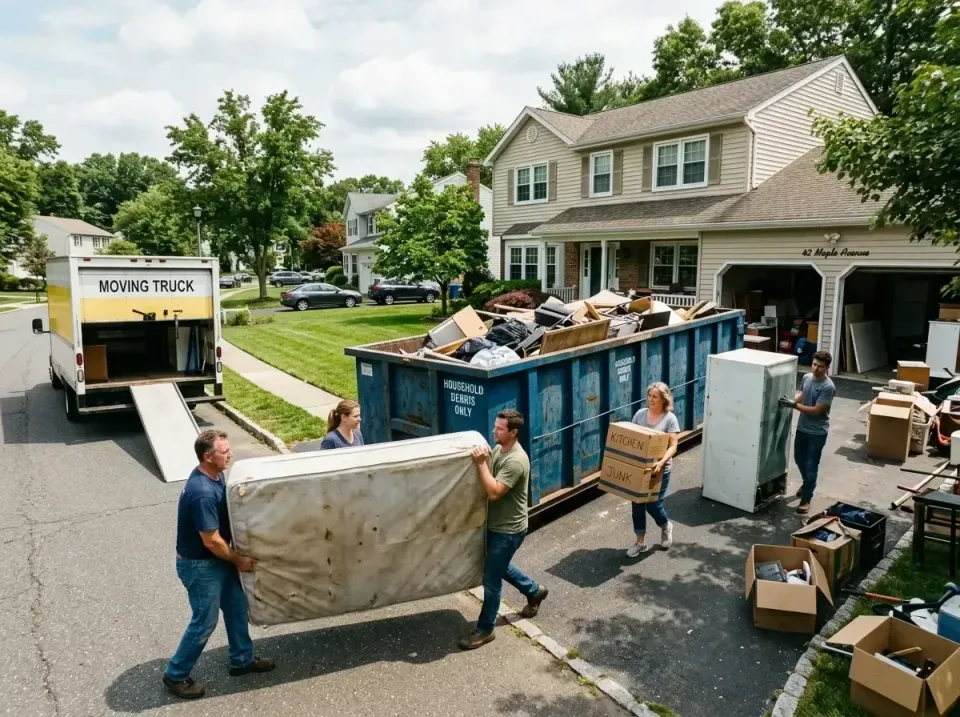
Small containers help London homeowners, contractors, and property managers manage cleanouts, renovations, roofing debris, and light construction waste.
A residential dumpster cannot accept every household material, especially hazardous, regulated, or unusually heavy waste. A dry run before delivery prevents prohibited-item fees and keeps a dumpster from blocking driveway access.
In London, Ohio, separate paint, chemicals, batteries, tires, and electronics before booking. Ask where each item belongs instead of placing it inside the roll-off container.
Walk the truck path before dispatch. Gates, parked cars, branches, and narrow turns can force a failed delivery or leave the container blocking driveway access.
Dumpster Rental Guys can review the waste stream, access route, and placement plan before delivery. That preparation helps homeowners choose a workable container and avoid loading materials the transfer station will reject.
Capacity: A 10-yard through 40-yard roll-off container covers common projects, but volume never overrides material restrictions.
Weight: Gross vehicle weight includes the loaded truck, while tare weight identifies the empty truck and container combination.
Materials: C&D debris such as drywall and clean wood may qualify, while household hazardous waste needs separate handling.
Clearance: Delivery trucks need overhead and side clearance, so measure wires, branches, gates, and the planned haul route.
Loading: Keep debris below the load line, because material above the rim can create a safety problem during transport. Dumpster rental guidance for waste planning can help homeowners compare disposal categories before loading.
A residential roll-off dumpster generally handles ordinary municipal solid waste and many clean renovation materials, but hazardous waste requires a different route. Paint thinner, pesticides, fuel, propane cylinders, asbestos-containing material, and certain batteries should not enter a household container.
The EPA Resource Conservation and Recovery Act controls hazardous-waste handling through specific disposal channels. Electronic waste, tires, appliances containing refrigerants, and liquid chemicals may also face state or facility restrictions. Keep these items aside and ask Dumpster Rental Guys which approved outlet fits the material.
Clean construction and demolition debris is usually easier to manage. Gypsum drywall, untreated lumber, asphalt shingles, and scrap metal may be accepted when separated correctly, but acceptance can vary by transfer station. Source separation reduces sorting problems and helps prevent an unexpected tipper fee.
Concrete, brick, dirt, and Portland cement concrete may be allowed only under weight conditions. A small pile can fill less than half a container yet exceed the hauler’s safe weight limit.
Residential remodeling contractors should ask about a concrete and dirt dumpster rental instead of mixing masonry with household debris. Dedicated handling reduces the chance that the truck’s gross vehicle weight exceeds the permitted limit.
OSHA 29 CFR 1926.252 addresses disposal practices around construction work, including safe handling and placement. Commercial construction firms often separate heavy material at the source because mixed loads create more complicated disposal charges.
Roofing contractors commonly use a roofing dumpster rental for asphalt shingles and tear-off waste. Shingles should be loaded evenly and kept below the container rim; loose pieces above the rim can spill during hauling.
Appliances, wiring, and metal fixtures may belong in a recycling stream rather than mixed municipal waste. The Institute of Scrap Recycling Industries provides industry guidance on recovering scrap metal, while local facilities determine what they accept.
Do not hide restricted materials beneath acceptable debris. That practice can result in rejected loads, extra handling, or a transfer station surcharge. Photographing questionable items before booking gives the hauler enough detail to recommend separate disposal.
A container is only useful if the truck can reach the placement area. Residential remodeling contractors should measure driveway width, overhead wires, turning space, and rear swing clearance before selecting a container.
A hook-lift truck can support some tight-access deliveries, but equipment choice does not remove obstacles. A narrow alley, low branch, or locked gate can cause a dry run and delay the project.
Dumpster Rental Guys can discuss access before scheduling a residential roll-off dumpster rental. Confirm the placement mark, clear the route, and keep gates open during the delivery window. That small preparation step often costs less than moving a full debris pile later. ASTM International material-handling resources may also help contractors frame safe job-site planning, although the hauler and receiving facility control final acceptance.
The material stream matters as much as the container footprint. Weight-based disposal documentation helps explain why concrete loads require different planning than household junk.
A 10-yard container suits a mini cleanout, while a 40-yard container handles industrial-volume waste. Bigger capacity does not make hazardous materials acceptable.
| Option | Best for | Key detail |
|---|---|---|
| 10-yard container | Mini cleanouts | Smaller footprint; keep prohibited items separate |
| Residential roll-off container | Household remodeling | Mixed debris must stay within facility rules |
| Concrete and dirt dumpster rental | Masonry and soil | Concrete dumpster versus mixed-debris dumpster depends on weight limits |
| 40-yard container | Industrial-volume waste | Large capacity; weight limits still apply |
A concrete dumpster can cost less later than mixing masonry into a general load. Concrete disposal planning information can help frame questions about facility acceptance and haul documentation.
Inventory: Separate hazardous liquids, electronics, tires, appliances, and heavy masonry before booking.
Confirm: Review prohibited materials with the hauler and identify the correct disposal route.
Measure: Confirm overhead wires before delivery, allowing about eight feet of overhead clearance.
Mark: Mark the container placement before truck arrival, keeping gates and access lanes unlocked.
Protect: Install driveway protection boards before a cable hoist truck places the container.
Load: Distribute heavy material across the floor and keep all debris below the load line.
Schedule: Notify the hauler when full, then arrange pickup or a swap-out appointment. Restaurants and retail stores should coordinate access around business traffic. Galfab equipment information can help explain why truck style affects standard container placement.
10-yard residential rental: $300–$600, influenced by debris volume and rental duration.
20-yard renovation rental: $400–$800, with weight and landfill fees affecting the final amount. These containers often measure 22 feet long.
30-yard construction rental: $500–$1,000, shaped by tonnage and haul distance. A roofing dumpster rental may fit tear-off volume, but shingles still affect disposal handling.
Concrete-only container: $400–$900, driven by weight limits and the disposal site.
Commercial recurring service: $150–$600 monthly, based on frequency and container size.
London-area pricing can differ from other Ohio markets because disposal routes, facility charges, and access conditions change. Final quotes vary by location, debris, access, permits, and duration.
Right-sizing container capacity starts with both debris volume and material weight. A 20-yard container may fit a remodeling pile, but poor placement access can make that choice impractical.
“Measure rear swing clearance before ordering, not after the truck arrives. Keep the load line visible throughout loading, because an overage charge can follow a single overloaded haul.”
A 10-yard container can be easier to place than a larger model when driveway access is limited. A container swap-out may be more practical than stacking debris above the rim.
Common mistake: Choosing a container by cubic volume while ignoring placement access, truck clearance, and heavy-material limits. Dumpster loading and placement practices can support a pre-delivery checklist for homeowners and contractors.
Residential dumpsters are suited to approved household junk, remodeling debris, and other accepted municipal waste. Hazardous materials, electronics, tires, appliances, and unusually heavy loads need separate planning.
If your debris pile exceeds container capacity, ask about a second container or scheduled swap-out. Keep every load below the load line, and confirm weight limits before concrete or dirt reaches the truck.
A narrow alley or unclear street placement can also change the delivery plan. Dumpster Rental Guys can review access, prohibited materials, and placement needs for London, OH, or help route you through all service areas.
Before loading, sort questionable items and call (844) 606-1601 with the material list, container size, and delivery address.
Browse all nationwide service options and choose the right fit for your project.
Small containers help London homeowners, contractors, and property managers manage cleanouts, renovations, roofing debris, and light construction waste.
Large containers help London homeowners, contractors, and property managers handle renovation, roofing, and construction debris.
Homeowners, contractors, and property managers book fast container delivery for cleanouts, remodeling, roofing, and construction jobs in London.
Homeowners and property managers book London dumpsters for household junk, estate contents, appliances, and remodeling debris.
Contractors and property owners in London can manage demolition, remodeling, roofing, and construction debris with the right roll-off container.
Homeowners, roofing contractors, and property managers book London containers for shingles, tear-offs, and other roofing debris.
Homeowners, landscapers, and property managers use London containers for brush, branches, stumps, and seasonal yard debris.
Commercial dumpsters help London contractors, property managers, and businesses handle construction, roofing, and cleanup debris.
Contractors and property managers book London roll-off containers for construction, industrial, roofing, and heavy debris.
Homeowners, property managers, and contractors use London dumpsters for junk removal, estate cleanouts, and landscaping debris.
Homeowners, landlords, and contractors use London containers for household junk, estate contents, appliances, and renovation debris.
Homeowners, contractors, and property managers book London containers for remodeling debris, drywall, roofing, and demolition waste.
Homeowners, contractors, and property managers use our London service for concrete, dirt, brick, asphalt, and other heavy debris.
Homeowners, contractors, and property managers book driveway-safe containers with surface protection in London.
Homeowners, contractors, and property managers use London scrap metal dumpsters for appliances, steel, and renovation metal.
Homeowners, contractors, and property managers book right-sized dumpster rentals for cleanouts, remodeling, and debris removal in London.
Front-load containers help London property managers, contractors, and businesses control recurring waste service.
Homeowners, contractors, and property managers book short-term dumpsters for weekend cleanouts, renovations, and debris removal in London.
Contractors and property managers book site dumpsters for portable toilet areas, event setups, and active London job sites.
Event organizers, venues, and property managers book temporary containers for clean, contained post-event cleanup in London.
Homeowners, contractors, and property managers can keep a right-sized dumpster on site for extended cleanups and active projects in London.
Homeowners, contractors, and property managers book controlled containers for asbestos waste and hazardous debris in London.
Homeowners, contractors, and property managers use our London containers for yard waste, recyclable debris, and green cleanup projects.
Local bulk waste & heavy material dumpster rental for London with clear pricing drivers, weight limits, and scheduling you can plan around.
Select your region to see local roll-off dumpster rentals providers and cities we cover.
We connect you with trusted local providers in your state or city. Call or email us today.